Before I go into some tips and references I use for body
language and facial expressions, I’ll just give my opinion on the first part of
your question.
I think the reason small “moments” resonate more
than a kiss is because a Kiss is Easy. Not easy to draw, but a narrative
short-hand. When you see two people kissing the automatic assumption is
“oh, they like each other.” which, based on the surrounding evidence
(or lack thereof) can make it either bolstered as a moment or confusing/frustrating
if it feels like it comes out of nowhere.
Little moments like a look, or a touch, or just being
visibly comfortable in one another’s space resonates more because it’s subtle
and comes across as unthinking. They’re much more difficult to pull off and get
right but very rewarding when you accomplish it. Whereas a big kiss moment can
be perfomative. If you’re looking in on a scene and you feel like it’s
happening because “the script says so” so-to-speak, it’s not going to
feel as genuine.
Now for some Tips on how I’ve gone about learning to get
better at body language and facial expressions.
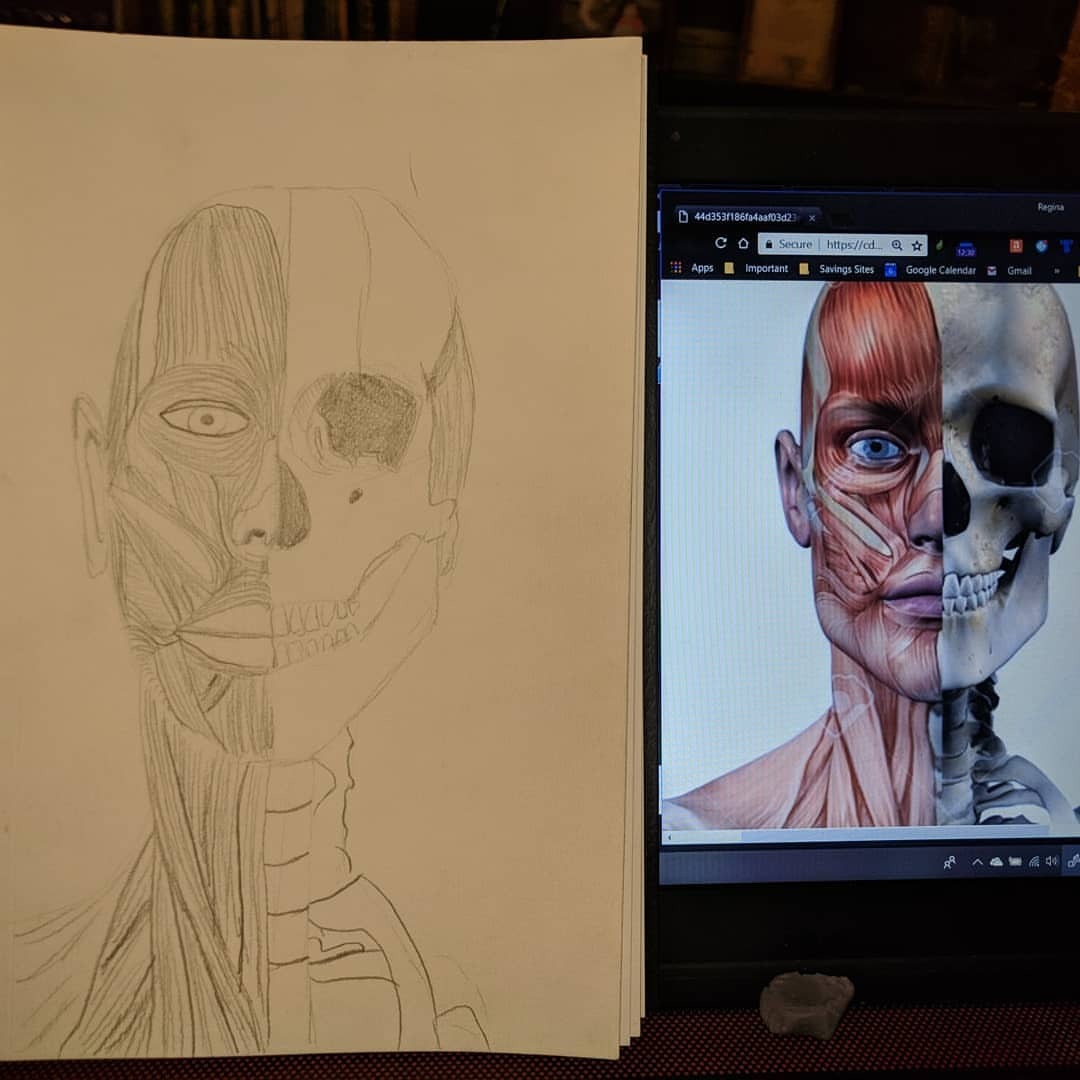
Use References
It’s not cheating to do this. The easiest way to learn how
to draw something is by studying it. Unless you have an eidetic memory, you’re
not going to be able to draw something the first time you try without some sort
of point of reference.
Use References…but don’t be limited by them.
When you’re using references, as a start you tend to copy
exactly what’s there in order to get a feel for it. But when you’re working off
photographs or a model copying exactly can lead to some stiff-looking poses.
Just because you use something as a reference doesn’t mean you have to copy it
exactly, and you really shouldn’t. Use the reference to get a better
understanding of what you want to do, but then make it your own. Exaggerate it,
move limbs, change the posture, maybe the character is taller or shorter, maybe
they have an animalistic face. Whatever reference is your starting point, it’s
up to you to run wild with it.
Watch People, Watch yourself
Study the body language of others and yourself. It might make you self conscious at first, but since I’ve started doing this it’s been a lot easier to improve. Do quick, rough gesture drawings of motions (Something that takes no more than 10 seconds) in order to get a feel for the movement. It can be tricky at times to use yourself as a reference, especially if you don’t have someone to help you snap a photo from the angle you want, but you can use your body to get a feel for motions and gestures.
Really Watch Yourself (Buy a Mirror)
Sometimes the easiest way to capture the expression you want is to draw your own face. Animators do this all the time, so set up a mirror in front of or on your desk. Some artists mimic the faces of what they’re trying to draw naturally, so take advantage of that.
The Second Most Expressive Part of The Body
It’s hands. I’m sorry, but it’s true. You can have a great facial expression, but very stock body posture and hands hidden behind their backs and it won’t be as impactful. I’m a person who talks with my hands, so it was sort of easy to insert hand gestures into my art once I forced myself to start doing it. Hands suck to draw. I get it, but the more you do it the better you’ll get at it.
Use the Entire Body
You can tell an entire story with how you pose someone. If you ever pick up any books by Will Eisner, he goes into this really well. Art isn’t limited by reality, so just go all out if you want.
Resources
While the internet is great for quickly (or trying to
quickly) find something close to what you want/need, I love books and I have a
few physical books that I’ve studied over the years to help me improve.
Facial Expressions
Facial Expressions Babies to Teens
Hands
Couples Poses
Fighting 01
Fighting 02
Expressive Anatomy
If you go to any of these links you’ll find the ISBN numbers
for each of these books and using that you can find these books via Amazon,
Ebay, ABEbooks, or another online store you may prefer. You can also keep an eye out for them at comic/anime expos if you ever go to one. I’ve bought half of mine at events like that.
Reference books can be
expensive, but they’re worth it with how much content they hold. And, with the
Japanese books listed above, something I love about them is that they show the
same poses through multiple angles, and/or the full follow-through of motion.
These companies have other reference books and I imagine they’re just as good.





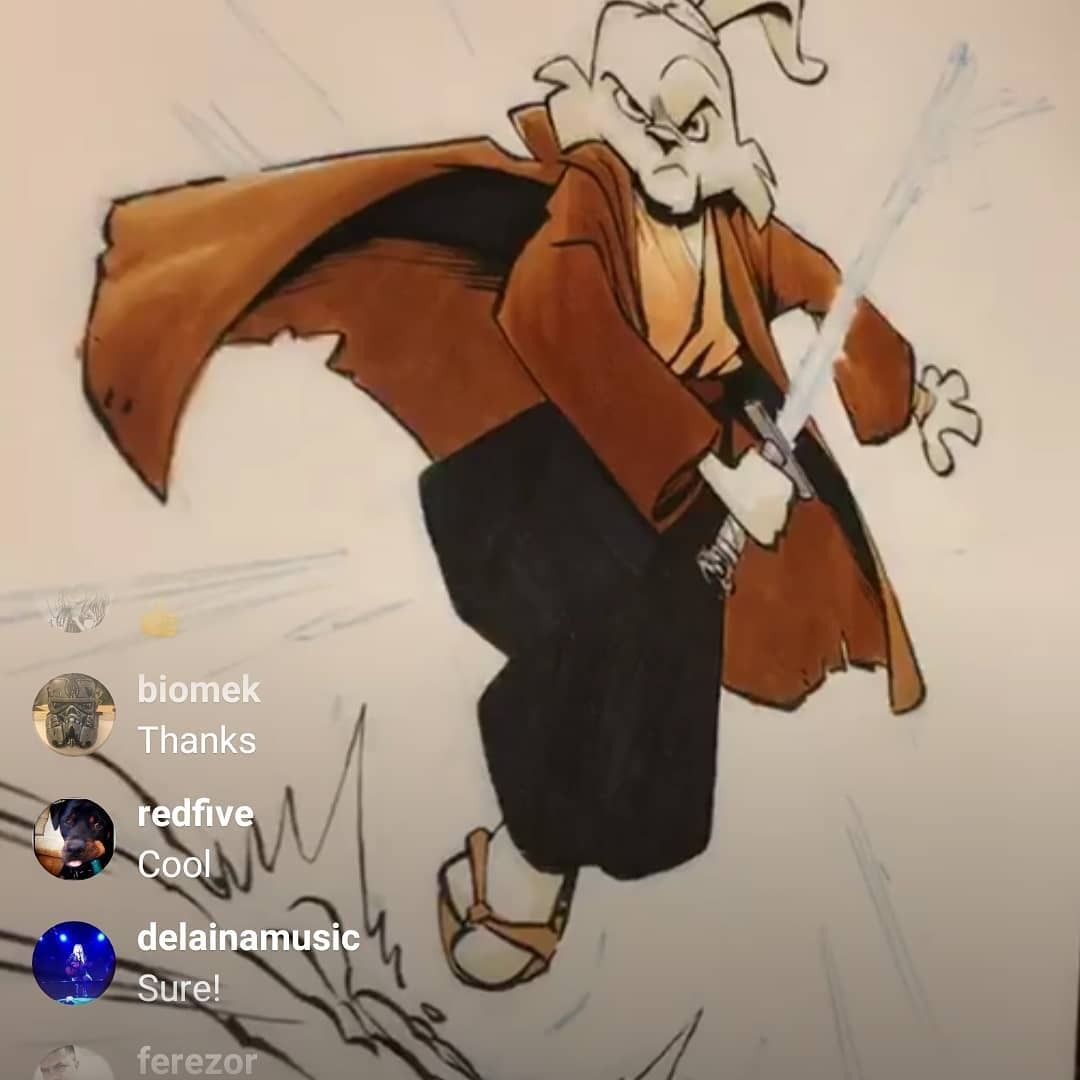
 Karate, SPN Demonic Octopus Guardian